American sports participation has reached a milestone that few would have predicted just a few years ago: according to the Sports & Fitness Industry Association's (SFIA) mid-year report released August 20, 2026, 81.3% of Americans ages 6 and older participated in at least one sport or fitness activity during the year — a record high. Equally striking, the inactivity rate fell to a record low of 18.7%. More Americans are moving than at any point since tracking began.
Driving much of that momentum is a category that had been under pressure for years: team sports. SFIA data shows team sports as the fastest-growing category in the study, up 3.8% — and critically, this marks three consecutive years of growth. Among notable gainers: basketball, flag football, and baseball all posted significant participation increases. The post-pandemic hangover that had plagued organized sport appears to be fully over.
Why Team Sports Are Surging
The reasons behind this resurgence are both practical and psychological. After years of disrupted schedules, virtual school, and reduced social interaction, young people are craving the connection that team sports uniquely provide. Playing on a team means belonging to something: shared goals, shared wins, shared setbacks. That social dimension — always a benefit of organized sport — now feels especially valuable in a world where screen time has surged and face-to-face connection has become more intentional.
At the same time, youth sports infrastructure has been rebuilding. Schools are offering more options. Community organizations have expanded programs. Investment from professional leagues — including the NFL's heavy backing of flag football at all levels — has raised the profile of team sports and created clearer pathways for young athletes who want to compete seriously. The result is an ecosystem that's more welcoming, more accessible, and more exciting than it's been in years.
Flag Football, Basketball, Baseball: The Big Gainers
Within team sports, several disciplines stood out in the SFIA mid-year data. Basketball continued its status as one of America's most-played team sports, adding participants across multiple age groups. Baseball — which had faced structural headwinds related to game length and youth engagement — saw a rebound as rule changes at the professional level filtered cultural enthusiasm downward. And flag football's surge, supported by Olympic buzz and professional investment, added yet another dimension to the team sports boom.
What these three sports share is important: they're all fundamentally accessible. Basketball can be played on any court, in any driveway. Baseball has decades of community infrastructure. And flag football, as we've noted in previous coverage, requires minimal equipment and can be played on virtually any open field. The sports growing fastest are the ones with the lowest barriers to getting started.
"Three consecutive years of team sports growth isn't a blip — it's a structural shift in how Americans are choosing to be active together."
The Affordability Challenge: A Real Obstacle
The record participation figures carry a critical asterisk: cost remains a significant barrier for many families. SFIA data shows that 26.9% of respondents say costs affect their ability to participate in sports and fitness activities, while 30.2% report they are experiencing higher costs than in prior years. Perhaps most striking, 25% of respondents cited tariffs as a contributing factor driving up equipment and gear prices.
This isn't a minor footnote. For millions of families — particularly in lower-income communities — the cost of youth sports can mean the difference between participation and sitting on the sideline. Equipment, registration fees, travel, uniforms: these costs add up quickly in tackle football, ice hockey, lacrosse, and other gear-intensive sports. The rise of flag football, with its dramatically lower equipment requirements, is in part a direct response to this affordability pressure. It's becoming a sport of choice precisely because it makes the team sports experience accessible to families for whom the alternatives are financially out of reach.
The Benefits That Make It Worth the Effort
Research consistently shows that team sport participation is one of the most powerful investments a family can make in a child's development. Kids who play organized team sports develop better physical fitness, stronger social skills, and greater resilience in the face of adversity. They learn to communicate, lead, follow, and recover from failure — skills that transfer directly to academic and professional success.
The record participation numbers from SFIA suggest that more families are making that investment than ever before. And as access continues to expand through lower-cost options like flag football, the potential to bring those benefits to an even broader cross-section of American youth has never been greater.
What the Data Means for Your Family
Three consecutive years of team sports growth, a record-high overall participation rate, and a record-low inactivity rate: the data paints an unambiguous picture. American kids are getting off the couch and back on the field. The momentum is real, the infrastructure is building, and the sports that are thriving — accessible, engaging, team-oriented — are exactly the kind that produce well-rounded athletes and fulfilled kids.
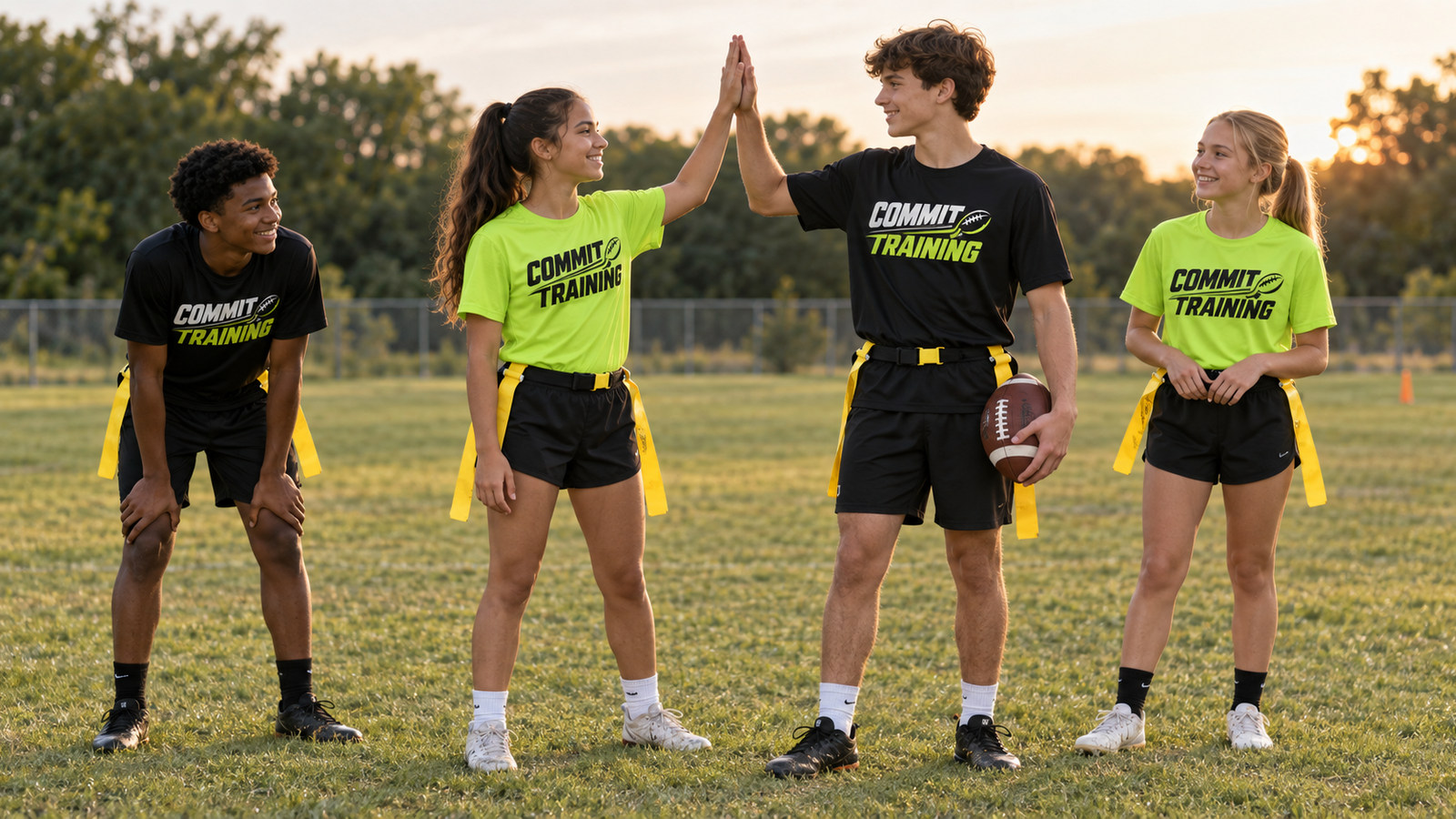
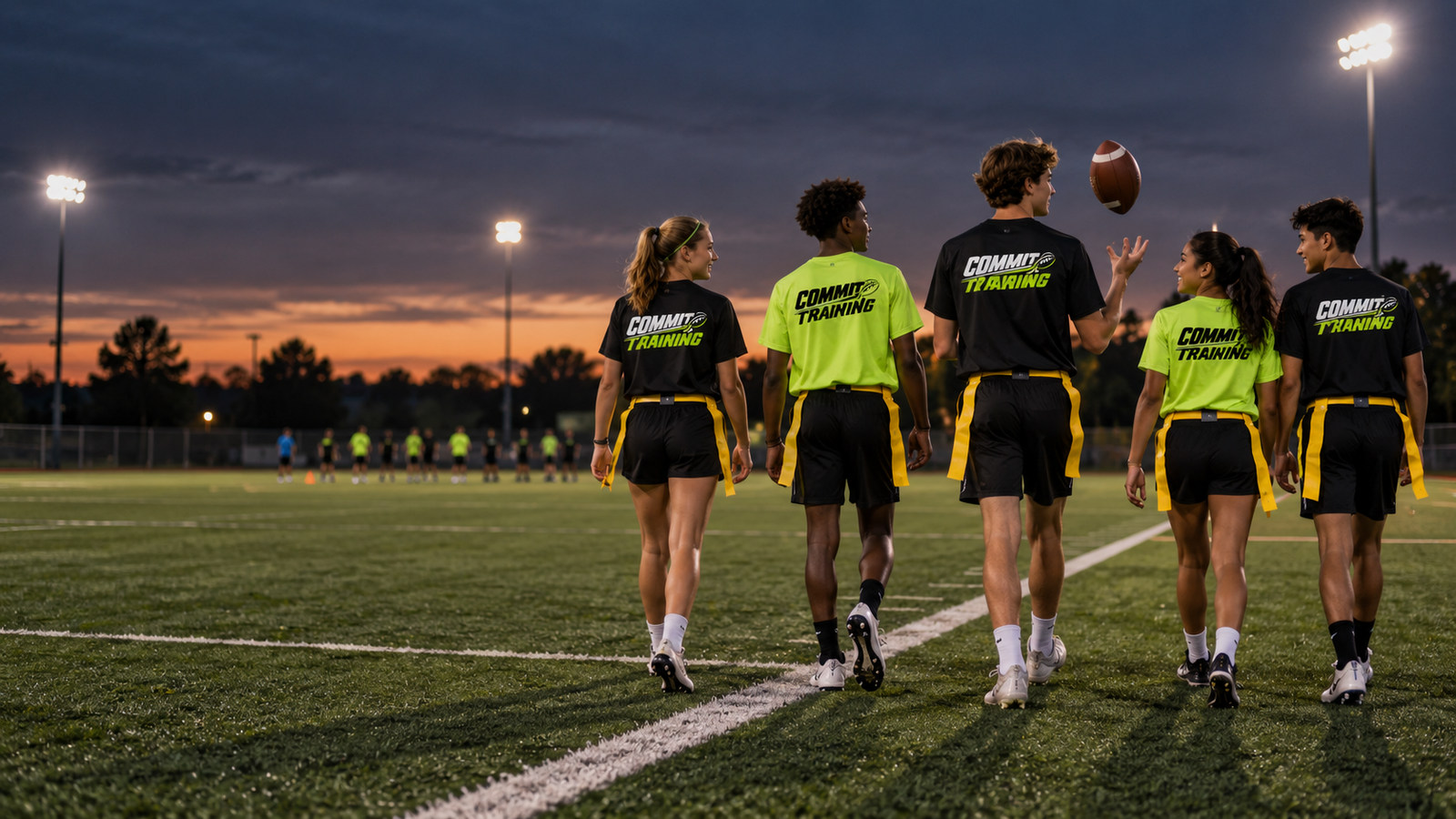
At Commit Training, we exist to be part of that momentum. Our co-ed flag football clinics for athletes ages 6–18 combine elite skill development with the kind of team culture that makes sport genuinely meaningful. If your young athlete is ready to join the record numbers getting active and competing, we'd love to be their next stop on the journey.
Sources
- SFIA — U.S. Sports and Fitness Participation Reaches Record High: New SFIA Mid-Year Data Shows (August 20, 2026)
- SFIA Mid-Year Participation Report — 81.3% participation rate, 18.7% inactivity rate, team sports category data