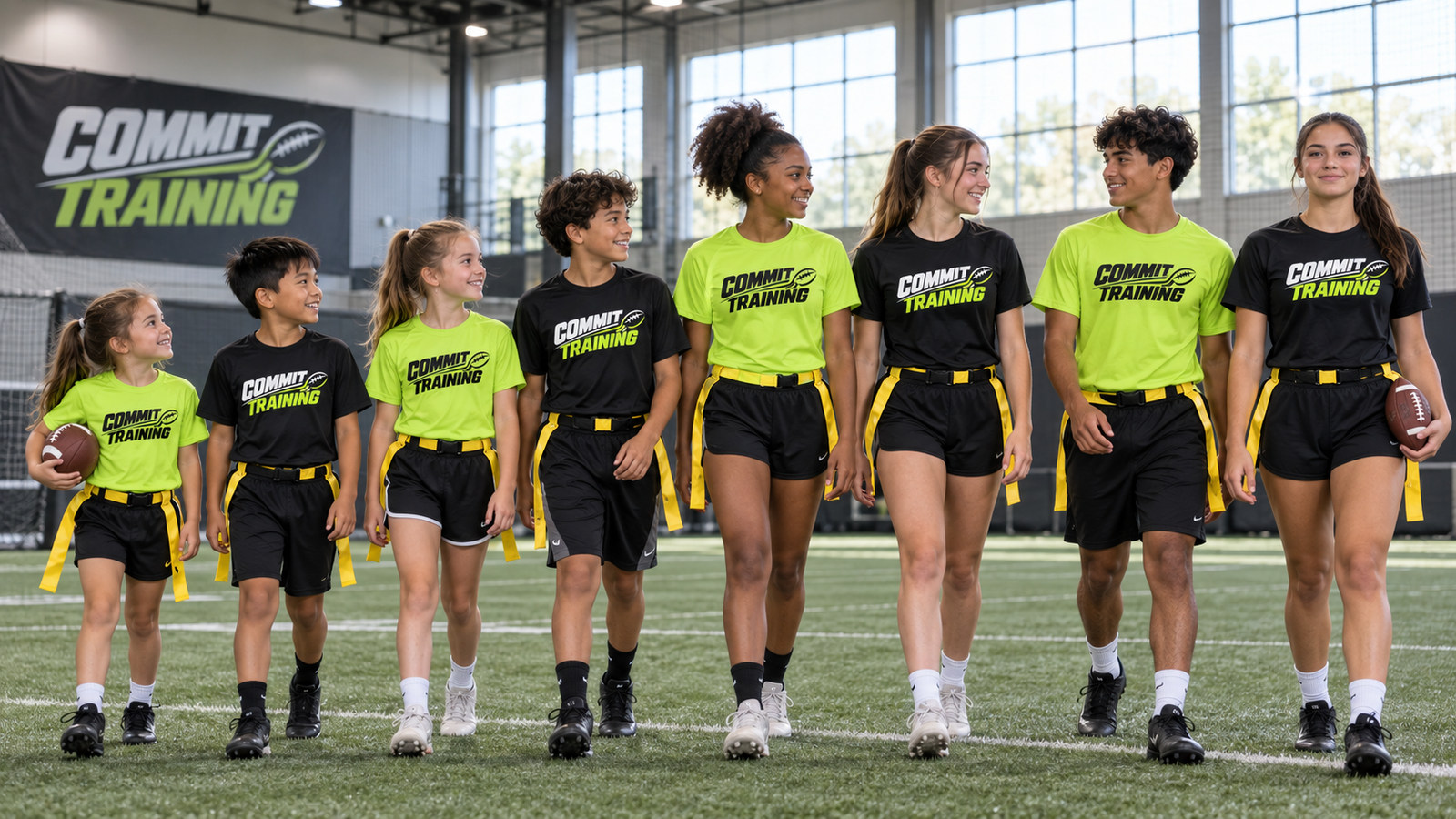
Youth sports participation in America has reached a genuine milestone. According to new data released by the Sports & Fitness Industry Association (SFIA) in October 2026, a record 33.3 million Americans ages 6–17 played at least one team sport in 2025. That's a 2.4% increase among children ages 6–12 and a 3.9% jump among teenagers 13–17 — both significant upward moves in a sector that saw turbulence throughout the COVID years.
The SFIA's 2026 U.S. Trends in Team Sports Report — the first to examine youth participation by gender at every age from 6 to 24 — paints a picture of a sport ecosystem that is not just recovering from pandemic disruptions, but actively thriving in ways it hadn't before.
A Record-Setting Year for Youth Team Sports
The headline number — 33.3 million youth team sport participants — represents the highest figure on record in SFIA's tracking. Of those participants, 20.5 million (61.6%) qualify as "core" participants, meaning they play frequently rather than just occasionally. That engagement metric is telling: this isn't passive participation driven by reluctant kids dragged to practice. These young athletes are showing up consistently.
Among the 24 team sports SFIA tracks, 15 grew among the 6–12 age group, and 13 grew among teens ages 13–17. That broad-based growth — across sports, not just a single breakout — suggests the conditions driving participation are systemic rather than isolated.
Young Athletes Are Playing More Sports
One of the more encouraging findings from the report is the pattern of multi-sport participation. Young athletes continue to play roughly two sports on average — a figure that has been "remarkably consistent over the past six years," according to SFIA. Among children ages 6–12, the average number of sports played has actually trended upward since 2020, suggesting that as sports opportunities expand, kids are taking advantage of them.
This matters for athletic development. Research consistently shows that multi-sport participation builds more versatile athletes. Different sports challenge different movement patterns, cognitive demands, and social skills. Young athletes who sample widely tend to have longer athletic careers and fewer overuse injuries than those who specialize early.
"Youth team sports are growing — which gives us a tremendous foundation to build on — but this new data shows us where there is still work to do."
— Alex Kerman, SFIA Senior Director of Research
The Gender Gap That Demands Attention
For all the positive news, the SFIA data also reveals a persistent challenge: a widening gender gap in sports participation, particularly as young women move through their teen years. Boys participate at higher rates than girls at every age, and while both see declines through late adolescence, the female drop is more pronounced. From ages 16 to 18, female participation falls 17.6 percentage points, compared with 13.5 points for males. Over the full span from age 6 to 24, female participation declines 33.7%, compared with just 16.5% for males.
Alex Kerman, SFIA's Senior Director of Research, was direct about the implications: "The late teens and early adulthood emerge as especially important stages for sustaining participation, particularly for girls and young women. We think it is important to explore what is driving that decline and what the industry can do to help more young people stay in the game."
Sports like girls' flag football — which grew 48.7% at the high school level in the most recent survey year — represent exactly the kind of new entry points that can help reverse this trend by giving young women compelling, organized competitive options in their high school years.
Why Team Sports Matter Beyond the Scoreboard
The value of youth sports participation isn't just athletic. Decades of research link organized sports participation in childhood with better academic outcomes, stronger mental health, more developed social skills, and greater long-term physical activity levels. Learning to compete, lose gracefully, follow a coach, and rely on teammates builds a framework for navigating challenges throughout life.
At Commit Training, this is the foundation of everything we do. The goal isn't just to develop football players — it's to develop athletes and leaders. When 33 million kids are finding their way into team sports, that's 33 million opportunities to build something bigger than a win column.
What's Driving the Growth
Several forces appear to be converging to push youth sports participation upward. Investment from professional leagues — including the NFL's significant push into youth flag football — is creating more on-ramps. New casual formats are lowering barriers. Growing awareness of sports' mental health benefits is motivating families to prioritize participation. And the approaching decade of major sporting events on U.S. soil — from the 2026 FIFA World Cup to the 2028 Olympics in Los Angeles — is generating cultural momentum that translates into enrollment.
The record is set. The question now is whether the infrastructure, affordability, and inclusion exist to keep building on it.
Sources
- SFIA — Youth Team Sports Participation Reaches Record High (October 2026)
- Sports & Fitness Industry Association 2026 U.S. Trends in Team Sports Report — based on 18,000 online interviews conducted in 2025